

Built for Africa: Why Global ChMS Tools Miss Local Giving Culture
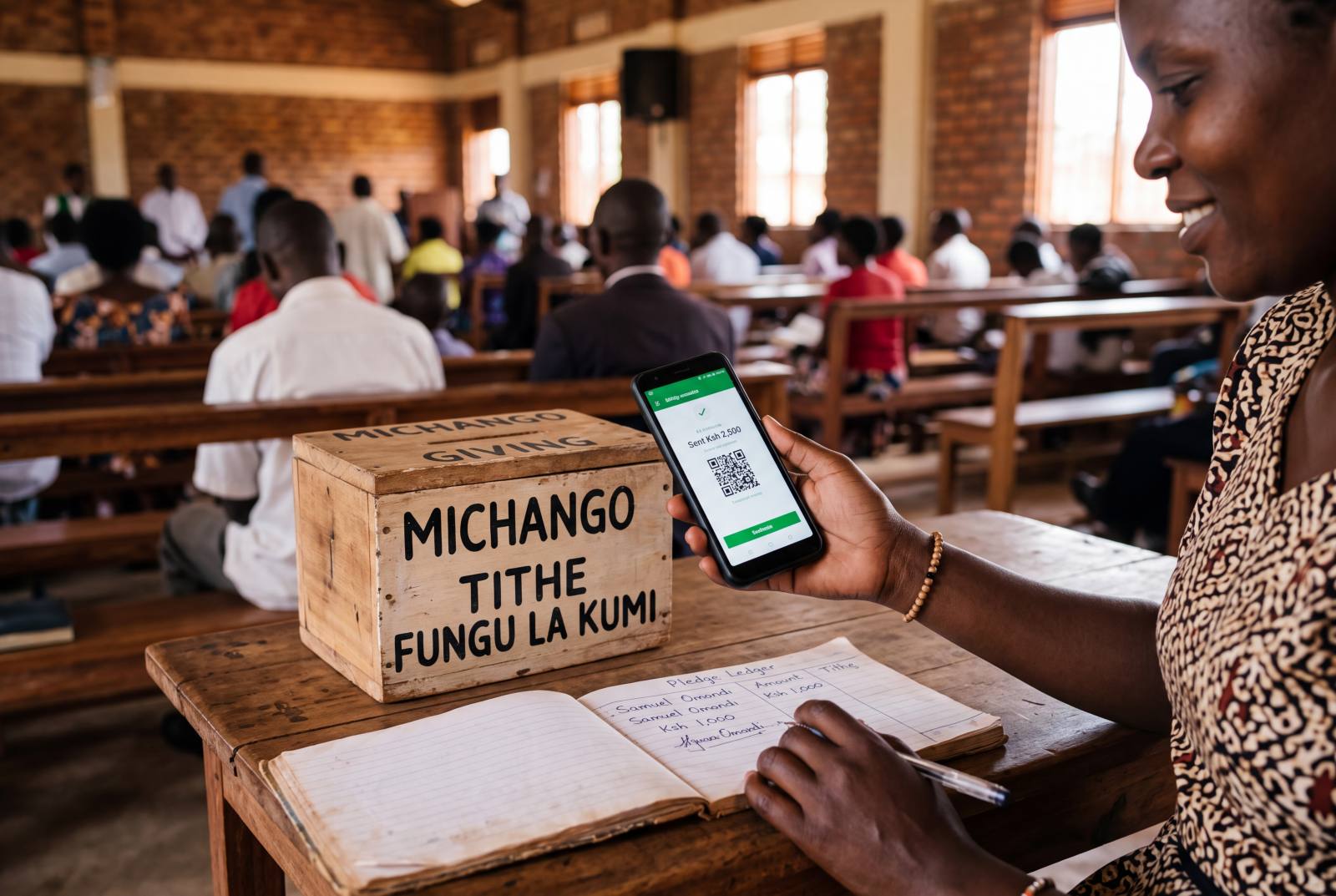
Walk into almost any church on a Sunday morning across Africa, and you will witness something that no software dashboard was originally designed to capture. Offerings flow in through mobile money platforms, cash handed reverently in envelopes, community pledge systems tied to harvest seasons, and rotating contribution circles that predate modern banking. These are not workarounds or signs of a developing giving culture — they are the giving culture, rich with meaning, relationship, and spiritual discipline. Yet most global Church Management Software tools were built with a single template in mind: a card swipe or an online giving link designed for Western congregations.
The gap between global ChMS tools and African church realities is not simply a feature gap — it is a cultural gap. Many platforms assume that every member has a bank account, a stable internet connection, and a giving pattern that repeats on a predictable monthly cycle. In practice, a large portion of African church members give through mobile money services like M-Pesa, MTN Mobile Money, or Airtel Money. Others contribute through group-based tithing models where an entire cell group or family unit gives collectively. When a ChMS cannot recognize these patterns, finance teams are left reconciling records manually, and pastors lose visibility into the generosity that is actually happening within their congregations.
There is also the matter of local currencies, multi-branch church structures, and giving occasions that are uniquely African in their rhythm. Harvest thanksgiving offerings, building fund drives organized around community pledges, and anniversary giving campaigns are deeply embedded in how many African churches resource their ministry. A tool built for a congregation in North America or Europe may allow a one-time gift or a recurring donation, but it rarely provides the flexibility to track a pledge made during a three-day revival, reconcile it against mobile money receipts, and report it back to both the local branch and the central church administration in a unified dashboard.
Trust and transparency are also non-negotiable in African church contexts, where financial accountability is both a spiritual value and a practical safeguard for community trust. Church leaders need reporting tools that speak to their members in familiar terms — showing giving records that account for the way contributions actually arrive, not the way a foreign software vendor imagined they might. When members cannot see a clear record of their generosity, or when leaders cannot produce one, it erodes the confidence that holds a congregation together. A ChMS designed with African giving culture at its core should make transparency effortless, not something a finance secretary has to patch together from three different spreadsheets.
This is exactly why the conversation around purpose-built tools for African ministry matters so deeply right now. The church in Africa is growing at a pace that demands infrastructure equal to its vision. Kingdom Vitals was designed with these realities in mind — to honor the diversity of how African believers express generosity, to support the mobile-first environments where ministry happens, and to give church leaders clear, trustworthy financial data without asking them to abandon the giving traditions that make their congregations unique. When your tools understand your culture, administration becomes less of a burden and more of a ministry in itself.
If you have ever felt the friction of trying to force your congregation's giving habits into a platform that was clearly not built for you, you are not alone — and you are not the problem. The tool is. The good news is that the right solution does not require your church to change how it gives; it requires a ChMS that is finally willing to meet African churches where they already are. That shift, from adaptation to affirmation, is what built-for-Africa truly means.